
Balance Arts Center Alexander Technique Principles Certification
Registration for AT Principles Level III is now open!
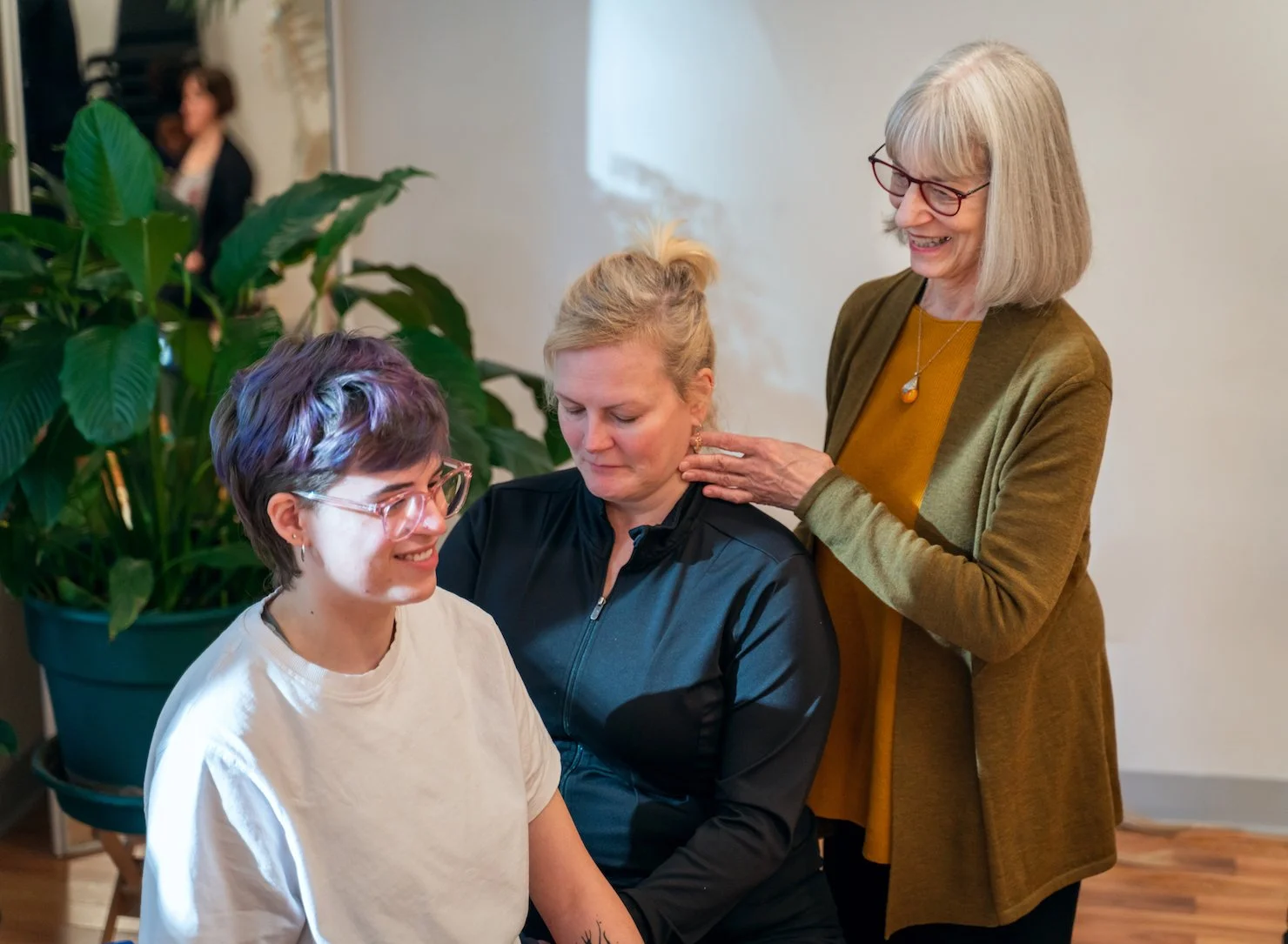
Intensive Study in Alexander Technique Principles!
The Alexander Technique Principles for Performing Arts Certification provides you with an overview and survey of the AT principles, application of these principles to your specific art form, and the ability to recognize and communicate the principles as they apply to your learning and teaching situations. This certification process is a 3 level sequence. Each level consists of a two-day unit that includes both theory and practical work. Additional materials that support the course work will be included in the course.
This intensive takes place over the course of 3 separate weekends and runs February 7th & 8th, March 21st & 22nd, and April 11th & 12th.

The Alexander Work Can Be Applied To:
Learning and creating new material
Developing deliberate practice and rehearsal skills
As a bridge between practice and performance
Enhancing performance Presence
Connecting with the audience
Deepening your audition skills
Daily Schedule & Participation Levels
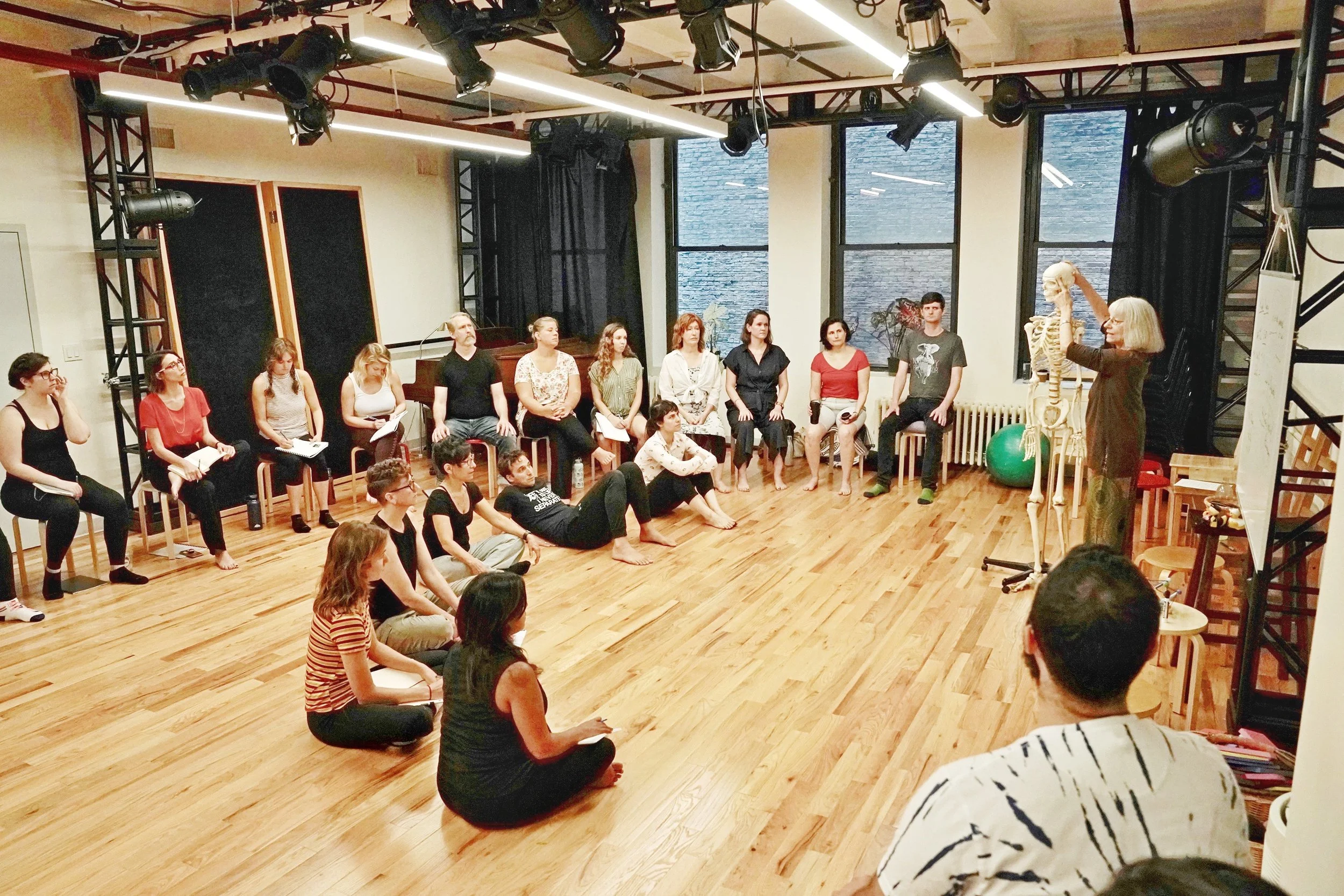
All classes will take place both on Zoom and in person at the BAC.
10:00am-1:00pm:
Masterclass #1 - AT Theory, Group Activities, Movement, and Application
1:00pm-2:00pm:
Lunch
2:00pm-4:00pm:
Masterclass #2 - AT Theory, Group Activities, Movement, and Application
-
Level I: Alexander Technique Principles
AT Principles and concepts will be presented under the following themes. Each session will include theory, activities, practical experience, and discussion.
Unified Field of Awareness
Inhibition and Direction (GAP Theory)
Spatial Awareness, Support, and Thinking
Direction, Flow, and Breath
Balance, Gravity, and Ground Reaction Force
Sensory Awareness and Integration
Presence and Projection
-
Level II: Application of the AT Principles to your Performing Art
You will learn the AT Principles as they apply directly to and enhance the specific requirements of your discipline. Discovering how the whole body participates and supports movement in each moment leads to full body involvement in every action and gesture. Understanding the AT process for learning and change will enhance your own artistry as well as your teaching.
Here are a few of the specific topics that will be covered in each discipline.Musicians:
How to approach, support, and balance your instrument
Mechanics of making sound
Working with repetitive actions
Posture while playing
Playing solo, ensemble, and following a conductor
Dancers:
How to approach and support whole body movement
Working with repetitive actions and injury prevention
Utilizing gravity and the ground reaction force in motion
Mechanics of your head, neck, back, arms, legs, feet, including parallel and turned out movement
Spatial intention and clarity
Singers:
Breathing coordination and support
Spatial support
Approach to extending range, volume, and vocal stamina
Vowel and consonant articulation
Intention and character presentation
Posture for singers
Actors:
Utilizing gravity and the ground reaction force
Adapting your posture to your character
Breathing support and coordination
Vowel and consonant articulation
Spatial support
Working with text and story
-
Level III: Application of the AT Principles to your Teaching
Level III is devoted to observing and communicating the AT Principles with a student centered pedagogical approach to imparting that maximizes learning and change. Each program participant have a teaching practicum where they will have the opportunity to lead a small group in an activity that relates to their discipline. Students will receive feedback on their communication
In this level students will:Identify a specific task, movement, or principle they want to focus on.
Observe the action in someone else.
Comment on the activity applying the AT principles to that activity using the pedagogical approach taught in the class.
Participation Levels
The three levels of certification can be taken separately and should be completed in sequence. Repeating levels is suggested given the amount of depth and nuance in each AT Principle. For those repeating levels there is a 25% tuition reduction.
Tuition & Fees
Tuition
Level 1: Registration has closed
Level 2: Registration has closed
Levels II & III: $250
Tuition Payment
Upon completing your registration form you will receive an invoice directly to your inbox. Tuition will be due 48 hours after receiving your invoice.
Registration
Registration for AT Principles Level III is now open! Registration will close at 5pm on 4/10/26.
Discount & CTLE Credits Available for NY State Teachers!
The Balance Arts Center is an approved provider of Continuing Teacher & Leader Education Credits for NY State Teachers. School teachers receive 15% off their tuition!
Cancellation Policy
Students can cancel their registrations through 4/10/26. Refunds are available minus a $50 processing fee. Beyond 4/10/26 refunds are not available.
Registration for AT Principles is now closed. Registration for AT Principles Level III will open soon.
Students completing the AT Principles Certification cannot represent themselves as teachers of the Alexander Technique.
Meet Ann Rodiger
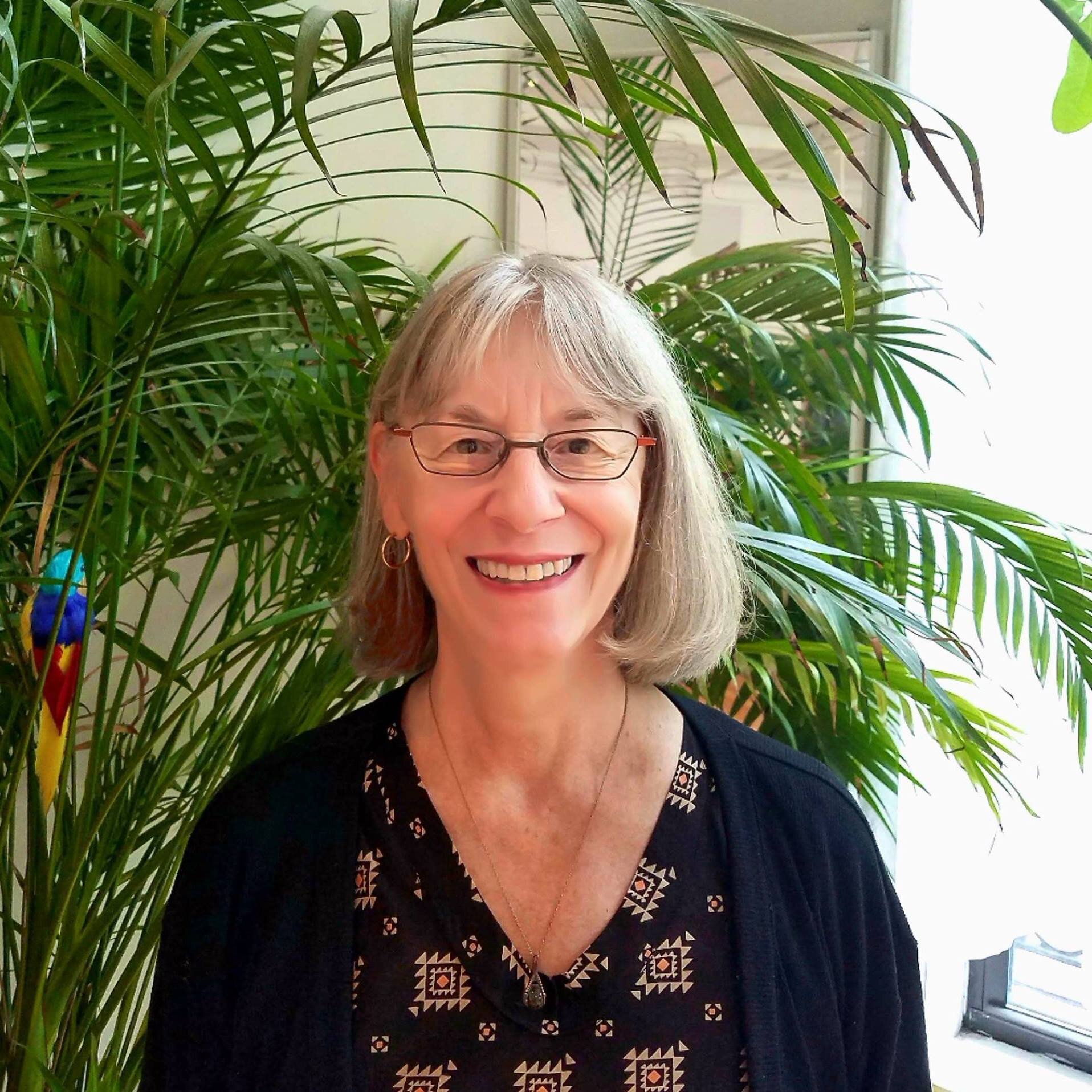
Ann Rodiger is the Founder and Director of the Balance Arts Center in New York City. She has over 40 years of experience teaching the Alexander Technique. Her teaching draws from her knowledge and experience from Alexander Technique Training in Urbana Illinois with Joan and Alex Murray, as well as her knowledge of Labanotation, Laban Movement Analysis, Bartenieff Fundamentals, Yoga, meditation and various dance techniques.
She has developed the BAC Alexander Technique Teacher Training Program and substantial programming for performing artists. She has also adapted the Alexander principles to work for those with hypermobility and Ehlers Danlos Syndromes. Rodiger teaches internationally in Germany, Belgium, Greece, and Turkey. The Balance Arts Center is a NYC Women and Minority Owned Business and a thriving place for the community to teach, share knowledge, and perform.
Ann’s interest in the Alexander work began when she was studying dance at The Ohio State University. As a person with Ehlers Danlos Syndrome, the AT work allowed her to find a sense of balance and stability.
After teaching dance at the U. of Wisconsin-Milwaukee and the U. of Hawaii-Manoa Ann moved to NYC to continue her dancing and performing. She taught at the City College of NY and Labanotation at the Juilliard School. She also began a private practice in the Alexander Technique which focused on performing artists, particularly dancers and singers.